Compare Your Checking & Savings Account Options
Use CompareAccounts to compare checking and savings account options, CD accounts, and brokerage accounts so you can choose the right account for your money now.



Featured Savings Accounts



Choose The Right Account For You
If you need a bank account to manage your money day to day, we recommend opening a checking account.
If you need to start an emergency fund or you won't need your money for 3 - 6 months, we recommend opening a savings account.
If you won't need your money for at least 6 months, we recommend opening a certificate of deposit account (CD) to get a higher interest rate.
If you're looking to invest for the long term, we recommend opening a brokerage account.
Fund Your Account
Once you find the right account for you and decide to open it, it's time to fund your account.
Because the more you invest in your account the more you'll gain, we recommend investing as much as you can without losing any sleep over it.

Watch Your Account Grow
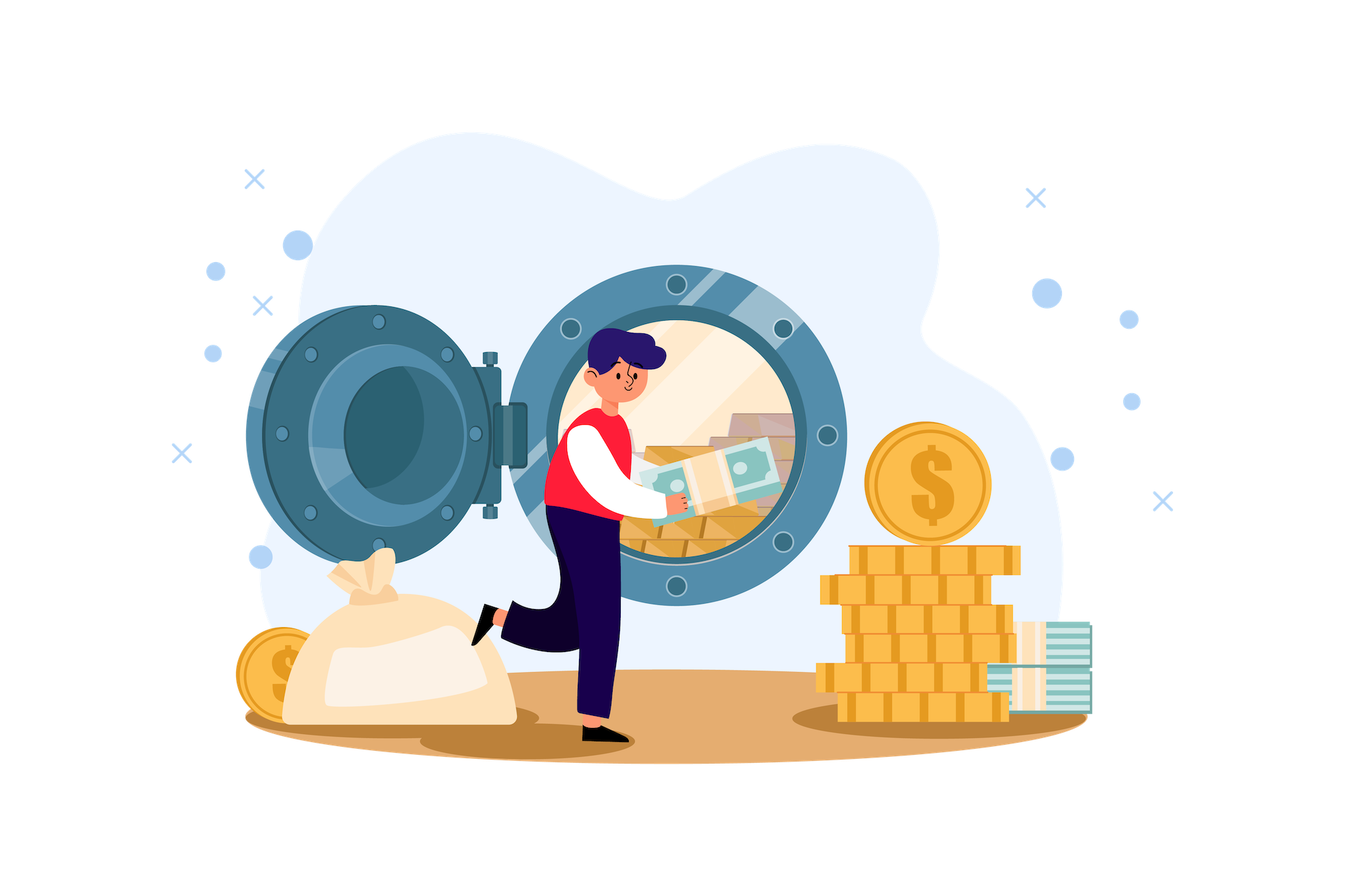
Now that your account is funded, it's time to sit back and watch it grow.
Compound interest takes time to work its magic, but the more time you give it, the larger your reward.
Open Your Next Account
Continue to fund your account and as you watch your money grow, you'll have enough money to open your next account to make your money work even harder for you.

Featured Certificate of Deposit Accounts


How to Compare Checking and Savings Accounts
When you compare checking and savings accounts, the most important question is how you plan to use your money. Checking accounts are designed for everyday banking, including direct deposit, bill pay, debit card purchases, and frequent transfers. Savings accounts are better for money you want to set aside for emergencies, short-term goals, or future expenses while earning interest.
To compare checking and savings account options effectively, look at the features that matter most to you. For checking accounts, focus on monthly fees, ATM access, direct deposit features, overdraft policies, and mobile banking tools. For savings accounts, pay closer attention to APY, minimum balance requirements, transfer flexibility, and how easily you can avoid fees.
At CompareAccounts, you can compare checking and savings accounts side by side so you can find the right fit for your financial goals now and as your needs change.
Choose the Right Account for Your Goal
The best account depends on what you want your money to do. Some accounts are built for daily spending, while others are better for saving, earning interest, or investing for the future. Use CompareAccounts to compare checking and savings account options based on your goals, timeline, and how often you need access to your money.
Best for Everyday Spending: Checking Accounts
Checking accounts are best for managing your money day to day. Use them for direct deposit, debit card purchases, bill pay, ATM access, and regular transfers. If you need an account for everyday banking, compare checking account options first.
Best for Emergency Funds and Short-Term Savings: Savings Accounts
The best high yield savings accounts are for money you want to keep safe while earning interest. They are a smart choice for emergency funds, planned expenses, and short-term savings goals. When you compare checking and savings accounts, savings accounts usually make more sense for money you do not need to spend often.
Best for Fixed Short-Term Goals: CD Accounts
Certificate of deposit accounts are best for money you will not need for a set period of time. In exchange for locking in your funds for a term, you can often earn a higher fixed rate than a traditional savings account.
Best for Long-Term Growth: Brokerage Accounts
Brokerage accounts are best for long-term investing. If your goal is building wealth over time through stocks, ETFs, mutual funds, or other investments, a brokerage account may be the right next step.
Frequently Asked Questions
What is the difference between checking and savings accounts?
Checking accounts are designed for everyday transactions like bill pay, direct deposit, debit card purchases, and ATM withdrawals. Savings accounts are designed for money you want to set aside while earning interest, such as an emergency fund or short-term goal savings.
Should I open both a checking and savings account?
For many people, yes. A checking account can help you manage day-to-day spending, while a savings account can help you separate money you want to keep for emergencies, future expenses, or short-term goals.
How do I compare checking and savings accounts?
When you compare checking and savings accounts, focus on the features that matter most to you. For checking accounts, look at monthly fees, ATM access, overdraft policies, and direct deposit tools. For savings accounts, compare APY, minimum balance requirements, transfer flexibility, and fee waivers.
What should I look for when comparing checking and savings account options?
Start with your goals. If you need everyday access to your money, compare checking account options. If you want to earn interest on money you do not need right away, compare savings account options. You should also look at fees, rates, mobile banking features, branch access, and minimum deposit requirements.
Is a savings account better than a checking account for an emergency fund?
In most cases, yes. A savings account is usually the better place for an emergency fund because it helps separate that money from everyday spending and may pay interest while your cash sits there.
Are online savings accounts better than traditional bank savings accounts?
They can be, especially if your main goal is earning a higher APY. However, traditional banks may be a better fit if you want branch access, in-person service, or all of your accounts in one place.
Can I compare checking and savings account options on CompareAccounts?
Yes. CompareAccounts helps you compare checking and savings account options, along with CD and brokerage account choices, so you can find the right account for your needs now and as your goals change.
CompareAccounts Account Reviews
Read our reviews to gain confidence and understand which account is best for you.